How to Brew a Bone-Dry Brut IPA with Glucoamylase Enzyme
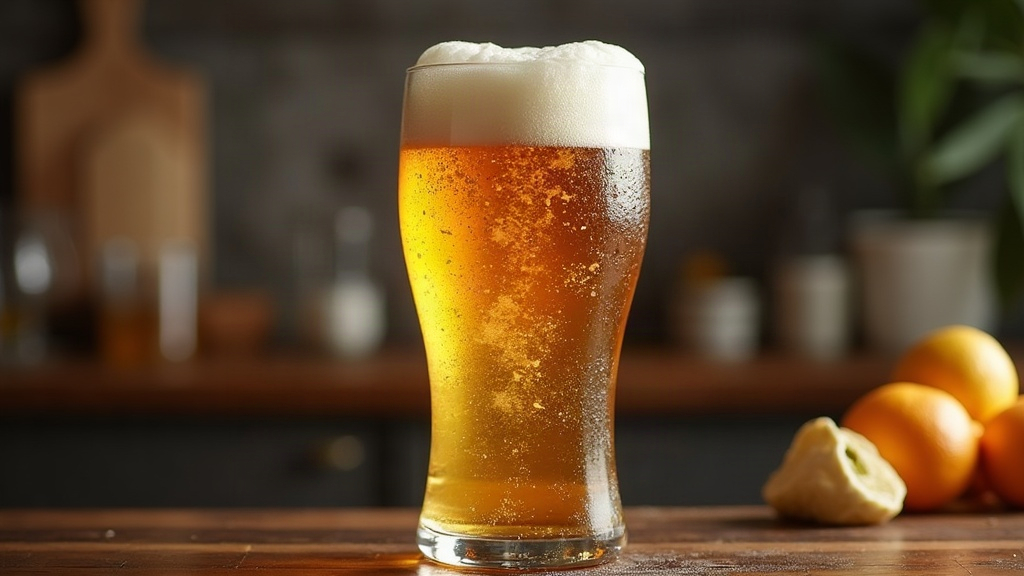
Brut IPA is basically the champagne of the hop world: pale, fizzy, bone-dry, built to let hop aroma do all the talking instead of drowning it in residual sweetness. The trick behind it is a single enzyme, glucoamylase, which chews through dextrins your yeast simply can’t touch on its own. That pushes attenuation past 90% and leaves the beer with almost nothing left to taste sweet about. Here’s how to actually brew one at home, step by step.
What Makes Brut IPA Different
A typical IPA finishes somewhere around 65-75% attenuation. That leftover 25-35% is dextrin, and it’s what gives regular IPAs their body and faint sweetness. Brut IPA throws that whole idea out:
- Very low final gravity (often 0.998-1.002, sometimes even lower)
- High carbonation (3.2-3.6 volumes CO2), closer to sparkling wine than beer
- Minimal malt character — pale, clean, almost invisible base
- Loud late/dry hop aroma, since there’s no sugar left to mute it
- Dry, crisp finish — picture prosecco, not a juicy hazy IPA
None of this requires mashing at some absurdly low temperature for four hours. The enzyme does the heavy lifting later, in the fermenter.
Ingredients for a 5-Gallon Batch
- 9-10 lbs (4-4.5 kg) 2-row pale malt (Pilsner malt works too, and gives a slightly crisper edge)
- 0.5 lb (225g) white wheat or flaked rice, mostly for head retention and clarity
- 1 oz (28g) bittering hops at 60 minutes (Magnum or another clean, neutral bittering hop)
- 2-3 oz (60-85g) hops at whirlpool/flameout
- 3-4 oz (85-115g) hops for dry hopping (Citra, Mosaic, Galaxy, Nelson Sauvin all shine here)
- A clean, high-attenuating yeast (US-05, WLP001, or even a champagne yeast if you want extreme dryness)
- Glucoamylase enzyme (amyloglucosidase, or AMG) — this is the ingredient that makes the whole style possible
Step-by-Step Brewing Process
1. Mash Normally
Mash at a standard 148-152°F (64-67°C) for 60 minutes. No need to chase some extreme low mash temp; the enzyme handles that job later in the fermenter, so save yourself the hassle.
2. Boil and Hop Lightly
Keep bittering restrained (target 15-25 IBU). This isn’t a bitter style. Spend your hop budget where it counts: whirlpool and dry hop, where the aroma actually survives fermentation and reaches the glass.
3. Ferment with Your Yeast First
Pitch yeast as usual and let primary fermentation run 2-3 days before touching the enzyme. Give the yeast a head start on the easy sugars first; adding the enzyme too soon just muddies the process.
4. Add Glucoamylase Enzyme
This is the step that actually defines the beer:
- Dose at roughly 0.1-0.2 mL per liter (check the label, potency varies quite a bit between brands)
- Add it directly to the fermenter around day 2-3, while fermentation is still active
- Keep the beer warm, 65-75°F (18-24°C), since the enzyme works best there. Don’t cold crash yet.
- Expect fermentation to keep going another 7-14 days as the enzyme slowly converts dextrins into fermentable sugar
Pro tip: check gravity every 2-3 days and be patient. Full attenuation can easily take 10-14 days total. If you bottle or keg before the enzyme finishes, you’re gambling with bottle bombs or wildly over-carbonated beer, since the enzyme keeps working long after you think fermentation is “done.”
5. Dry Hop After Enzyme Activity Slows
Wait until gravity holds steady near 1.000 for two consecutive readings, then dry hop. Give it 3-4 days, no more. Leave the hops in longer and you risk grassy, vegetal off-flavors creeping in.
6. Cold Crash and Carbonate High
Cold crash to clear out yeast and hop debris, then carbonate hard, 3.0-3.5 volumes CO2, to get that champagne-like fizz that defines the style.
Common Mistakes to Avoid
- Adding the enzyme too early. Let the yeast finish its first pass, otherwise fermentation becomes unpredictable and hard to read.
- Bottling too soon. Glucoamylase stays active even after packaging unless the beer’s pasteurized or filtered, so bottle conditioning can turn into a mess of over-carbonation. Kegging is the safer route here.
- Skimping on hops. With zero sweetness to lean on for balance, a weak hop addition just makes the beer taste watery and forgettable.
- Skipping gravity checks. This is one style where checking your hydrometer religiously actually pays off. Guessing doesn’t work.
Is Glucoamylase Safe and Legal to Use?
Yes. It’s a food-grade enzyme, used widely in both brewing and baking, and it’s sold openly by major homebrew suppliers (usually labeled “AMG” or straight up “Brut IPA enzyme”). No licensing or special permission needed for home use.
Final Thoughts
Brewing a bone-dry Brut IPA isn’t really about fancy ingredients. It’s about patience and timing: let the yeast do its normal work, then step back and let glucoamylase strip out every last bit of fermentable sugar. What you get in return is a beer that’s shockingly light and effervescent, one that lets your favorite hops shout instead of whisper. Give the fermentation the extra week it wants, hit the dry hop window at the right moment, and you’ll end up with a Brut IPA that can go head to head with anything pouring at your local taproom.