Kombucha Not Turning Tart? Fix a Cold-Kitchen First Ferment
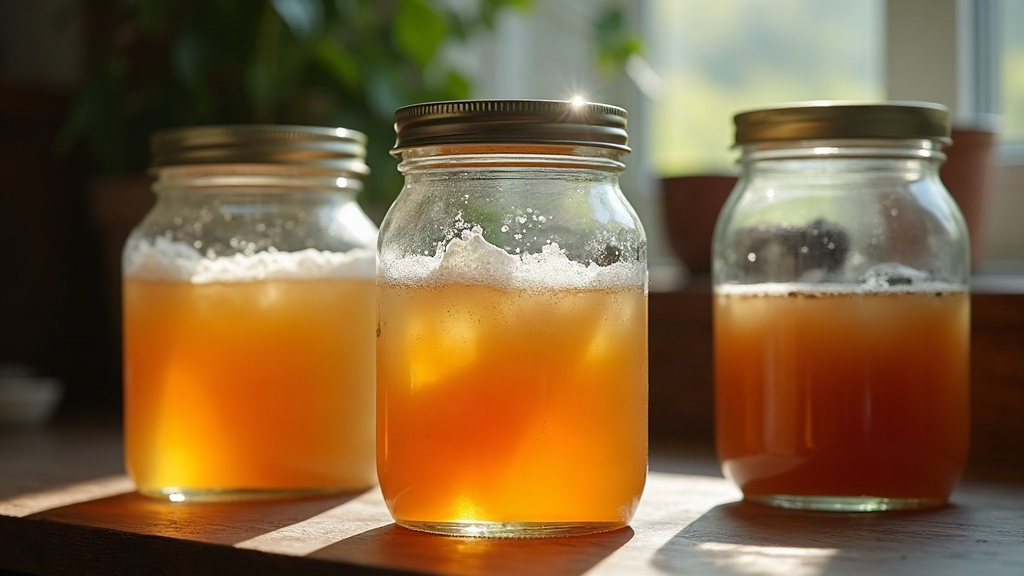
If your first ferment is sitting there tasting flat and sugary after a week or two, instead of that sharp, pleasant tartness you’re after, nine times out of ten the problem is a cold kitchen. Kombucha cultures slow way down once temps drop below 70°F (21°C), and anything under 65°F (18°C) can bring fermentation to a near-standstill. The fix is almost never “start over with a new SCOBY.” It’s usually just: warm things up, wait longer, or both.
Why Cold Temperatures Stop Kombucha From Souring
Fermentation happens because yeast and bacteria are busy converting sugar into acids, alcohol, and CO2. That whole process runs on temperature:
- 75–85°F (24–29°C): the sweet spot, tart in 7-10 days
- 68–74°F (20–23°C): slower but reliable, 10-16 days
- Below 65°F (18°C): fermentation nearly grinds to a halt; your tea can stay sweet for weeks
- Below 60°F (15°C): yeast and bacteria basically go dormant, and mold risk climbs because the sugar isn’t getting protected by acid fast enough
If you’re brewing in a chilly kitchen (very common in fall, winter, or a basement setup), your SCOBY isn’t dead or broken. It’s just too cold to do its job.
How to Confirm It’s a Temperature Issue
Before you go down any other troubleshooting rabbit hole, check these:
- SCOBY looks normal: pale, rubbery, maybe a thin new layer forming on top
- No mold: no fuzzy, dry, colorful spots in green, black, pink, or blue
- Smell is yeasty or vinegary, not rotten, not cheesy
- pH stays above 3.5 after 10+ days (grab some pH strips or a meter if you have one)
If the SCOBY looks fine and the smell is normal, but it’s just refusing to sour, temperature is almost certainly your answer. Not a dead culture, not contamination.
Fixes That Actually Work
1. Move It to a Warmer Spot
Sometimes relocating the jar is literally the whole fix:
- On top of the fridge (the compressor gives off steady warmth)
- Near a radiator or heating vent, but not touching it
- Inside a cabinet above the oven
- Up on a high shelf, since warm air rises
2. Use a Fermentation Heating Mat or Belt
A reptile heat mat or a dedicated fermentation wrap under the jar can bump the temperature up 10-15°F. Aim to hold it around 75-80°F, and tape a thermometer to the outside of the jar so you’re not guessing.
3. Insulate the Jar
Wrap it in a towel, or tuck it into a cardboard box, to trap ambient warmth. This matters most overnight, when most kitchens drop several degrees.
4. Extend the Fermentation Time
Can’t easily heat the space? Just give it more time. In a cold kitchen, 3-5 weeks isn’t unusual. Skip the calendar guessing game and taste-test every few days with a straw instead.
5. Use a Smaller Batch or Thinner Vessel
A gallon of tea in a wide, shallow jar ferments noticeably faster than the same amount crammed into a narrow half-gallon jar, simply because more surface area touches air and warmth.
6. Be Generous With Starter Liquid
If your starter tea was less than 10% of the total batch, your culture started out under-acidified, and that compounds the cold-slowdown problem. Next time, use at least 1-2 cups of strong starter tea per gallon.
What NOT to Do
- Don’t dump in extra sugar hoping it’ll “feed” things along faster. It won’t speed anything up, it’ll just dilute the acidity even more.
- Don’t panic and throw out the SCOBY. A cold-stalled SCOBY bounces back completely once it warms up.
- Don’t skip the taste test. Smell and appearance alone can fool you. Taste is the only real verdict.
- Don’t park it next to a vent blowing alternating hot and cold air. Swinging temperatures stress the culture more than a steady, if chilly, environment does.
Preventing This Next Time
- Keep a cheap thermometer near your brewing jar all year.
- Once the weather turns, pick a warm cabinet or set up a heating mat before you need it, not after.
- Log your fermentation days, start tasting on day 7, and adjust your expectations with the seasons.
Conclusion
A batch that won’t turn tart in a cold kitchen isn’t broken, it’s just cold. Warm it up with a heating mat, a spot near the fridge or oven, or some simple insulation, give it more time than usual, and taste often rather than guessing by the calendar. Fix the temperature, and your SCOBY will go right back to making properly tart, balanced kombucha on its normal schedule.