Fermenting Quince Into a Floral Autumn Wine Before First Frost
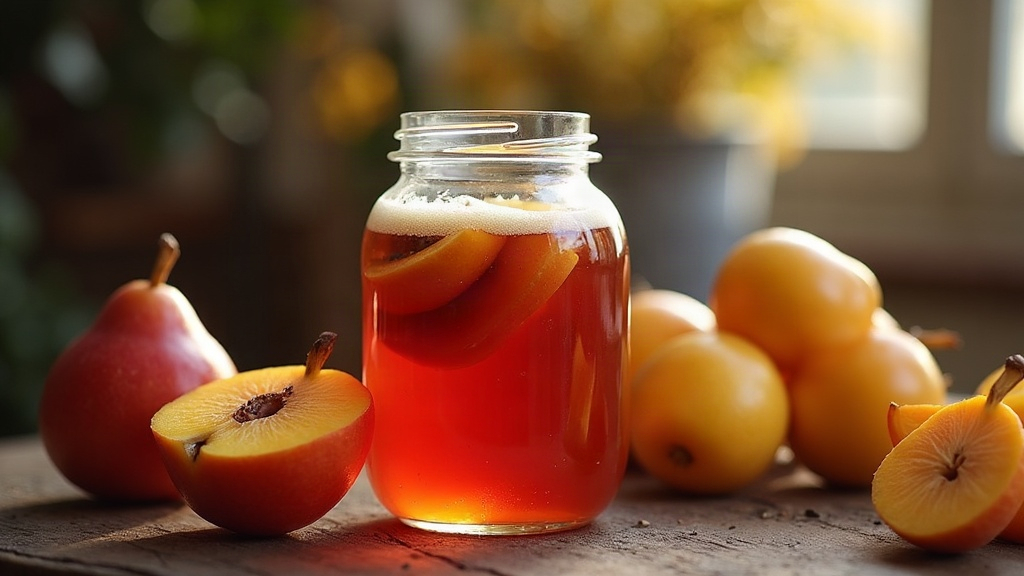
Quince is one of autumn’s most overlooked fruits. Too hard and astringent to eat straight off the tree, sure, but it’s loaded with floral perfume and natural sugars that turn into something gorgeous once fermentation gets involved. Catch quince before the first frost and you capture that perfume right at its peak, turning a tough, fragrant fruit into a golden, honey-scented wine. Here’s how to do it, step by step, even if you’ve never fermented a single thing in your life.
Why Quince Makes Exceptional Wine
Quince (Cydonia oblonga) is related to apples and pears, but it carries a floral, almost rose-like scent that nothing else in the autumn lineup really matches. Raw, it’s rock-hard and mouth-puckeringly tannic. That’s actually the whole point, because those qualities are what make it shine over a long fermentation:
- High pectin and tannin give the finished wine real body and backbone.
- Low natural yeast activity on the skin means it ferments cleanly once you pitch wine yeast, with a lot less risk of weird off-flavors creeping in.
- Intense aromatics hold up through fermentation far better than delicate fruits like peaches or plums, which tend to fade.
Why Timing Matters: Before the First Frost
Frost changes everything about quince. A light frost can soften the fruit and concentrate its sugars (think of how frost works on persimmons), but a hard freeze wrecks the cell structure and sets the stage for rot once you pick it. For wine-making, here’s what to keep in mind:
- Harvest while the fruit is still firm, fragrant, and yellow-gold, ideally right around the point when the fuzzy down rubs off easily under your thumb.
- Skip fruit that’s already dropped and bruised. Bruising speeds up oxidation and can drag in bacteria you don’t want anywhere near your must.
- Work fast, within a few days of picking. Quince loses its aromatic punch quickly once it’s off the tree, sometimes noticeably so within 48 hours.
If frost is in the forecast within the week, take that as your cue to start fermenting now. Don’t wait around for some mythical “perfect” ripeness that may never come.
What You’ll Need
- 3-4 lbs (1.5 kg) ripe quince
- 2.5-3 lbs (1.2-1.3 kg) granulated sugar
- 1 gallon (4L) non-chlorinated water
- 1 packet wine yeast (Lalvin EC-1118 or 71B both work well)
- Yeast nutrient (1 tsp)
- Acid blend or the juice of 1 lemon
- A fermentation bucket or crock, airlock, and carboy (glass jug)
- Cheesecloth or a straining bag
Step-by-Step: Fermenting Quince Wine
1. Prep the Fruit
Wash the quince thoroughly to get rid of that fuzzy coating. Quarter and core them, no need to peel since the skin is where a lot of the aromatic oils hide. Chop into small chunks. A food processor makes this much faster, since raw quince is dense enough to tire out your arm with a knife.
2. Build the Must
Put the chopped quince into a sanitized fermentation bucket. Pour hot (not boiling, just hot) water over the fruit to help coax out pectin and aroma, then let everything cool to room temperature before moving on. Stir in sugar and the lemon juice or acid blend until fully dissolved.
3. Pitch the Yeast
Once the must drops below 75°F (24°C), sprinkle in the yeast and yeast nutrient. Cover with a cloth rather than sealing it airtight just yet. The must needs a bit of oxygen to help the yeast colony get going in those first days.
4. Primary Fermentation (5-7 days)
Stir once a day, pushing the floating fruit “cap” back down under the liquid each time. Within 24-48 hours you’ll see vigorous bubbling kick off, that’s fermentation doing its job, converting sugar into alcohol.
5. Strain and Transfer
After roughly a week, strain the solids out through cheesecloth, pressing gently to get the juice out without forcing pulp through. Move the liquid into a sanitized glass carboy fitted with an airlock.
6. Secondary Fermentation (4-8 weeks)
Keep it somewhere cool and dark, 55-65°F (13-18°C) is the sweet spot. Bubbling will taper off noticeably as fermentation wraps up. Rack (siphon) the wine off the sediment every few weeks to keep it clarifying.
7. Age Before Bottling
Quince wine genuinely gets better with time in the bottle, not worse. Give it a minimum of 3 months in the carboy, then bottle it and let it rest another 2-3 months. That extra patience is what lets the floral notes settle down and blend together properly.
Common Mistakes to Avoid
- Using overripe or bruised fruit. It brings in wild bacteria that compete with your yeast and can throw the whole batch off.
- Skipping the acid addition. Quince on its own usually doesn’t have enough acidity to support a stable fermentation.
- Bottling too early. Young quince wine can taste harsh and a bit aggressive. Wait it out and you’ll get smoothness instead.
- Not sanitizing your equipment. Honestly, this is the number one reason batches fail. Don’t skip it, ever.
What Does Finished Quince Wine Taste Like?
Expect something pale gold to amber in the glass, with notes of honey, baked apple, rose petal, and a faint almond-like edge coming from the tannins. It pairs wonderfully with roasted autumn vegetables, a sharp aged cheese, or honestly, just a quiet glass by the fire while the first frost settles in outside.
Final Thoughts
Fermenting quince into wine is a genuinely rewarding way to hold onto one of autumn’s most fleeting scents. Harvest it just before frost, stay patient through the fermentation, and you’ll end up with a golden, floral wine that bottles the whole season, ready to pour long after the orchard has gone quiet for winter.