Lacto-Fermenting Nasturtium Seed Pods into Poor Man's Capers
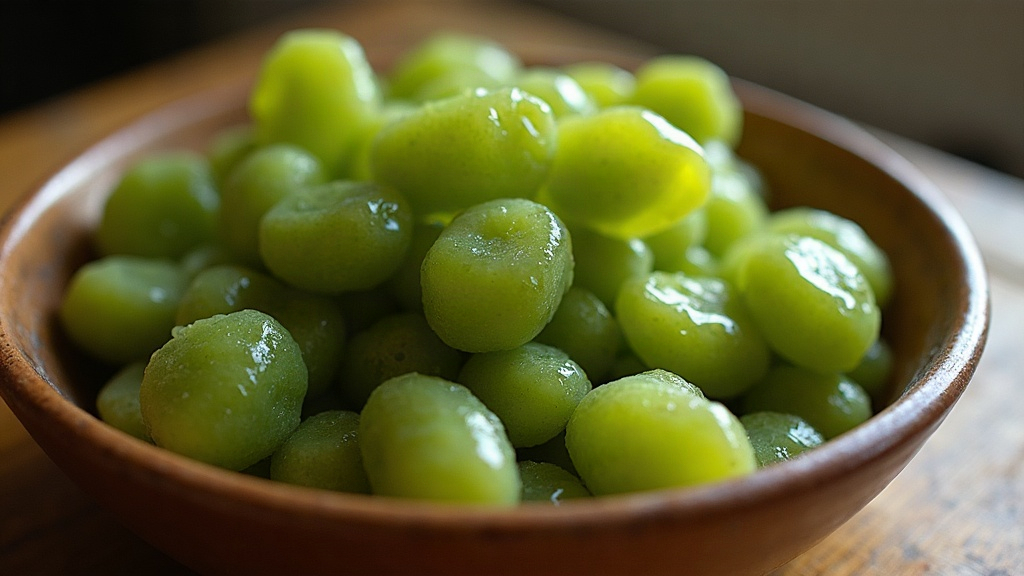
If you grow nasturtiums, you’re basically sitting on a free supply of caper substitute and probably don’t even know it. Lacto-fermenting the plant’s green seed pods gives you a tangy, briny, slightly peppery condiment that mimics the real thing so well that most people genuinely can’t tell the difference. All it costs is a jar, some salt, and a few weeks of waiting around.
What Are “Poor Man’s Capers”?
True capers come from the flower buds of Capparis spinosa, a Mediterranean shrub that frankly doesn’t thrive in most backyard gardens. Nasturtium (Tropaeolum majus) seed pods, though, grow like weeds, multiply fast, and have that same peppery, mustard-ish bite, thanks to glucosinolate compounds the two plants happen to share. Once pickled or fermented, the texture and flavor land close enough to the real thing that the nickname “poor man’s capers” actually makes sense.
Going the lacto-fermentation route instead of a quick vinegar pickle adds a tangy complexity and a dose of beneficial bacteria you just don’t get otherwise. The pods end up deeper and more rounded in sourness, less one-note.
Harvesting the Right Pods
Timing is everything here, more than any other step in the process.
- Pick pods while they’re still green and firm, right after the petals drop. Usually that’s somewhere between 1 and 3 weeks after flowering.
- Skip pods that have started yellowing, gone soft, or feel papery. Too mature, and they’ll just turn to mush in the brine.
- Harvest in the morning, when the pods are crisp and the plant itself is still hydrated from overnight.
- One healthy plant will keep producing pods in a steady trickle all season. Pick every few days and stash them in the fridge until you’ve got 1-2 cups, enough for a small batch.
What You’ll Need
- 1-2 cups fresh green nasturtium seed pods, stems trimmed
- Non-chlorinated water (filtered, or tap water left out to dechlorinate)
- Fine sea salt (non-iodized)
- A clean pint-sized glass jar
- A fermentation weight, or honestly just a small clean rock or glass weight, anything to keep the pods submerged
- Optional aromatics: a garlic clove, a bay leaf, a few peppercorns, or a sprig of dill
The Brine Ratio
A standard 2-3% brine does the job for small vegetables like these:
- For every 2 cups of water, dissolve about 1 tablespoon of fine sea salt (that lands around 3%).
- Stir until it’s fully dissolved before pouring it over the pods.
Step-by-Step Fermentation
- Rinse the pods gently and pat them dry. Toss any that look damaged or discolored.
- Pack the jar with pods, garlic, and whatever aromatics you’re using, leaving about an inch of headspace at the top.
- Pour the brine over the pods until they’re fully submerged.
- Weigh them down so nothing pokes above the liquid. Exposed pods are an invitation for mold.
- Cover loosely, either with a fermentation lid, a coffee filter secured with a rubber band, or just a loose regular lid (burp it daily if it’s sealed).
- Ferment at room temperature (65-75°F / 18-24°C) for 1-3 weeks.
- Start tasting at day 5. You want a pleasant sourness and a texture that’s softened but still has a bit of crisp left.
- Once it tastes right, move the jar to the fridge. Fermentation slows way down there, and the pods will keep for several months.
Signs of a Healthy Ferment
- Cloudy brine with small bubbles drifting up: totally normal, nothing to worry about.
- A tangy, slightly funky, pickle-like smell: that’s the smell of success.
- A white film on the surface (kahm yeast): harmless, just skim it off and move on.
- Pink, orange, black, or fuzzy mold, or a smell that’s genuinely putrid: that’s a dump-it-and-start-over situation. Clean your equipment better next time.
How to Use Them
Treat fermented nasturtium pods exactly the way you’d treat capers:
- Toss into pasta puttanesca or a tapenade
- Fold into tartar sauce or remoulade
- Scatter over smoked salmon, deviled eggs, or avocado toast
- Drop a couple into a dirty martini for a peppery kick
- Chop into a brown butter sauce for fish or chicken piccata
If the brine flavor feels too sharp for a dish, drain and give them a quick rinse first.
Troubleshooting Common Issues
- Pods turned mushy: probably harvested too late, or the ferment sat too long somewhere warm.
- Brine went slimy: usually a sign of contamination, from a jar that wasn’t quite clean or produce that wasn’t washed well enough. Start with spotless equipment every time.
- Too salty: rinse before using, or dial the salt back to 2% on your next batch.
Final Thoughts
Lacto-fermenting nasturtium seed pods might be one of the cheapest, easiest ways to turn a backyard harvest into something that feels genuinely gourmet. Salt, water, a couple of weeks of patience, and you end up with a briny, peppery condiment that holds its own against store-bought capers. And it puts to use a part of the plant most gardeners just throw on the compost heap without a second thought.