Vacuum-Bag Lacto-Fermenting Cherry Tomatoes for Pasta Sauce
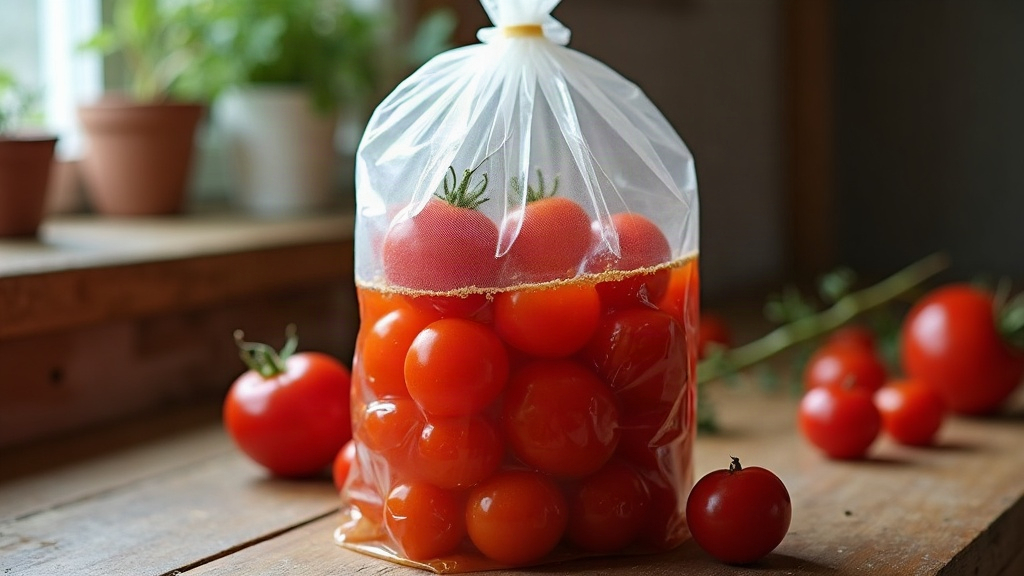
Vacuum-bagging cherry tomatoes for lacto-fermentation takes a plain jar of summer produce and turns it into something with real backbone: a tangy, savory base for a “burst” pasta sauce, the kind where the tomatoes pop under gentle heat and release a funky, umami-loaded juice that clings to noodles in a way fresh tomatoes just can’t match. Instead of a crock or a jar with weights, this method uses a vacuum-sealed bag, which turns out to be faster, less fussy, and a lot easier to squeeze into a small kitchen.
Why Ferment Cherry Tomatoes for Pasta Sauce?
Lacto-fermentation works by letting naturally occurring lactic acid bacteria (the same ones behind kefir, sauerkraut, and kimchi) break down the sugars in the tomatoes. Here’s what that gets you:
- Deepens flavor. You get a savory, almost cheesy tang that raw tomatoes simply don’t have.
- Boosts umami. Fermentation raises glutamate levels, so the sauce tastes richer on its own, no MSG or parmesan required.
- Preserves texture. Cherry tomatoes hold their shape far better than big slicing tomatoes, so they burst cleanly instead of turning to mush.
- Extends shelf life. Fermented and refrigerated properly, these tomatoes will outlast fresh ones by weeks.
Why Use a Vacuum Bag Instead of a Jar?
Classic lacto-fermentation keeps vegetables submerged under brine to shut oxygen out. A vacuum bag gets you the same oxygen-free environment, just with less hassle:
- No fermentation weights, no airlocks to fuss with.
- Lower mold risk since the air gets pulled out mechanically.
- Storage is compact. Bags stack flat in the fridge or a cool pantry corner.
- Monitoring is simple: you can literally watch the gas bubbles form through the clear plastic, which tells you the ferment is doing its thing.
What You’ll Need
- 1 lb (450g) ripe cherry tomatoes, washed and pricked once with a toothpick (this lets the brine get in)
- A 2% salt brine by weight (20g non-iodized salt per 1000g water)
- A few garlic cloves, lightly smashed
- Optional: a sprig of basil, a pinch of chili flakes, or a bay leaf for extra aroma
- A vacuum sealer plus food-safe bags (chamber or clamp-style, either works fine)
Step-by-Step Process
1. Prepare the Brine
Dissolve the salt completely in room-temperature filtered water. Chlorinated tap water can slow or stall fermentation, so stick with filtered water, or tap water that’s been boiled and cooled.
2. Pack the Bag
Load the tomatoes, garlic, and any aromatics into the vacuum bag. Pour in just enough brine to cover everything, roughly 1/2 cup per pound of tomatoes does the job.
3. Vacuum Seal (Carefully)
Fermentation throws off CO2, so use the “moist” or lower-suction setting on your sealer instead of full power (otherwise you’ll crush the tomatoes). Also, don’t treat this as a permanent airtight seal. You’ll need to open it up and “burp” the bag along the way.
4. Ferment at Room Temperature
Set the bag in a bowl (to catch any leaks) somewhere between 65-75°F (18-24°C) for 3 to 5 days. Check it once a day. You’ll see the brine go cloudy and bubbles start forming. If the bag puffs up noticeably, open a corner to release the gas, then reseal.
5. Taste and Refrigerate
Once the tomatoes taste pleasantly sour with a little fizz to them, move the bag straight to the fridge. Cold slows the fermentation way down, and the tomatoes will keep for 4 to 6 weeks from there.
Turning It Into a Burst Pasta Sauce
- Warm olive oil in a skillet over medium heat with a smashed garlic clove.
- Add the fermented tomatoes (drain them first, but save the brine) and cook until they blister and burst, about 6 to 8 minutes.
- Deglaze with a splash of that reserved fermentation brine. It brings the tang without needing a squeeze of lemon or a dash of vinegar.
- Toss with cooked pasta, a knob of butter, and fresh basil. Finish with parmesan if you’re in the mood.
Common Questions
Is it safe? Yes, as long as you keep the salt at around 2% and toss the batch if you spot pink, orange, or fuzzy mold. That’s different from the normal white kahm yeast, which is harmless and can just be skimmed off the top.
Can I use it raw? Definitely. Fermented cherry tomatoes make a great bright addition to salads or bruschetta straight out of the bag, no cooking needed.
Conclusion
Vacuum-bag lacto-fermenting cherry tomatoes is a simple, low-footprint way to unlock a lot of flavor for very little effort. Tomatoes, salt, water, a few days of patience, and you end up with a sauce base that tastes miles better than anything from a jar off the shelf. It’s a technique worth keeping in regular rotation once you’ve tried it a couple of times.