Champagne Yeast vs Ale Yeast for Tart Cherry Melomel
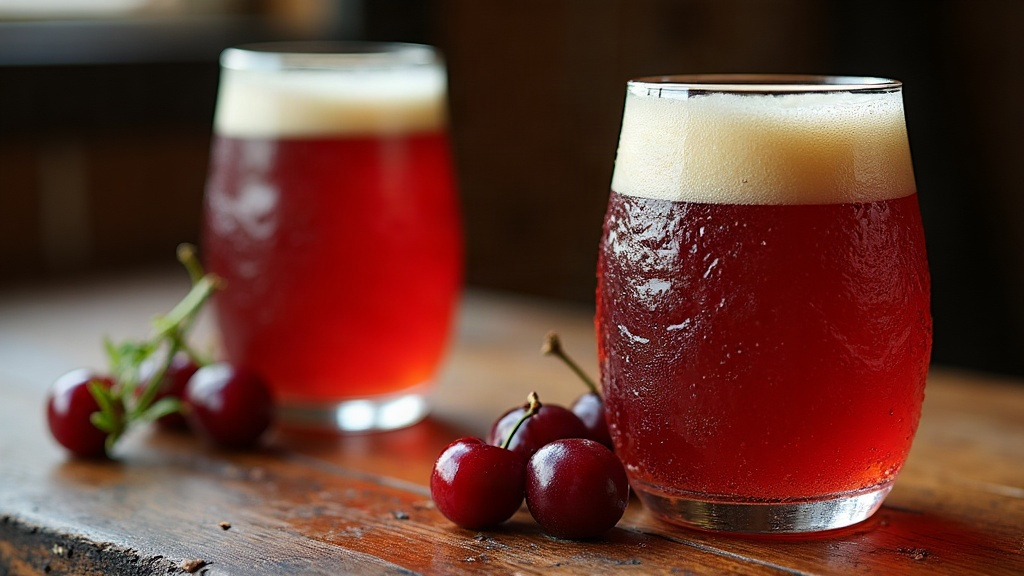
If you’re brewing a small-batch tart cherry melomel, the yeast you pick will shape nearly everything about what ends up in your glass: aroma, sweetness, body, and how long you’ll need to wait before it’s actually good. Short version: champagne yeast gives you a drier, crisper, more cherry-forward melomel with higher alcohol and cleaner clarity. Ale yeast goes the other direction, producing something softer and fruitier with lower ABV, more body, and a bit of residual sweetness, though it’s riskier if you care about long-term stability. For most tart cherry melomels, champagne yeast is the safer bet. But ale yeast earns its place if you’re after something that drinks more like a fruit beer than a wine.
Why Yeast Choice Matters So Much in Melomel
Melomel (honey plus fruit) lives or dies on the balance between sweetness, acidity, and alcohol. Tart cherries bring bright acidity and a distinct tannic bite, so your yeast has to either play along with that tartness or smooth it out.
- Champagne yeast (think Lalvin EC-1118, K1-V1116) was bred for wine and sparkling wine. It tolerates alcohol up to roughly 18% ABV, ferments dry, and stays neutral enough that it won’t fight the cherry notes for attention.
- Ale yeast (Safale US-05, Windsor, that kind of thing) comes from the beer world. It taps out earlier, usually around 10-12% ABV, tends to leave more residual sugar behind, and throws its own esters into the mix, fruity and sometimes bready notes stacked on top of the cherry.
Champagne Yeast: The Clean, Dry Route
Pros:
- Chews through honey must efficiently, even at the higher starting gravities common in melomel (1.090-1.120 OG).
- Finishes crisp and dry, letting tart cherry flavor take center stage instead of drowning in sweetness.
- Flocculent strains like K1-V1116 drop clear fast, so you spend less time babysitting a bulk-aging carboy before bottling.
- Handles mead’s higher ABV range well, so a stuck fermentation is less likely to ruin your week.
Cons:
- Run it too hot or let fermentation drag on too long and it can strip out delicate fruit aroma right along with the sugar.
- Some brewers call EC-1118 “too clean,” almost boring next to wine yeasts that bring more personality to the table.
- Needs real nutrient additions (mead musts are notoriously nitrogen-poor), or you’ll end up chasing sulfur off-flavors instead of fixing them.
Ale Yeast: The Fruity, Low-ABV Route
Pros:
- The esters it throws off (banana, pear, bubblegum, depending on the strain) can actually add complexity to a tart cherry base rather than clash with it.
- Because it taps out earlier, you get natural residual sweetness that softens the cherry’s tartness without reaching for extra honey.
- Works nicely for a “session mead,” something lighter and more drinkable, less of a boozy sipper.
Cons:
- Fermentation can stall before all the sugar converts, so your final gravity becomes a bit of a guessing game.
- Lower alcohol tolerance means high-gravity melomel musts can stress the yeast, and stressed yeast means off-flavors.
- Ale yeast was built for malt, not honey, so nutrient uptake and attenuation behave less predictably once you drop it in a mead must.
- Expect a cloudier finish; if you want bright clarity, plan on fining or filtering.
Which One for a Small Batch?
For a 1-gallon (3.8 L) test batch, the usual way to dial in a tart cherry melomel recipe before scaling up, champagne yeast is the more reliable place to start:
- Dissolve 2-3 lbs of honey per gallon of water, then pitch champagne yeast with nutrient (Fermaid-O works well, staggered across 2-3 additions).
- Add 1-1.5 lbs of tart cherries (fresh, frozen, or puree) at primary or secondary, depending on whether you’re after a fermented cherry character or something closer to fresh fruit.
- Ferment at 65-70°F (18-21°C) for cleaner esters and better retention of that fruit character.
- Rack and age at least 2-3 months. Melomels really do get better with patience, there’s no shortcut here.
If you’re chasing something lighter, lower in ABV, and fruitier, more of a cyser-meets-fruit-beer hybrid, give ale yeast a shot. Just plan to backsweeten carefully and keep an eye on gravity so you don’t end up with a stuck fermentation and no idea why.
Quick Decision Guide
| Goal | Best Choice |
|---|---|
| Dry, wine-like, high ABV | Champagne yeast |
| Clear, stable, bottle-age-friendly | Champagne yeast |
| Fruity esters, lower ABV, sessionable | Ale yeast |
| Beginner-friendly, predictable results | Champagne yeast |
| Beer-adjacent flavor profile | Ale yeast |
Final Verdict
For a small-batch tart cherry melomel, champagne yeast is the more dependable pick if what you want is a clean, dry, cherry-forward mead that ages gracefully. Ale yeast is worth experimenting with once you’ve got the basics down and feel like chasing a fruitier, lower-alcohol variation, just go in knowing the fermentation will be less predictable and plan accordingly. Either way: start small, take gravity readings, and taste as you go. Tart cherries are forgiving enough to shine under both approaches.