pH Meter vs Test Strips for Safe Home Lacto-Fermenting
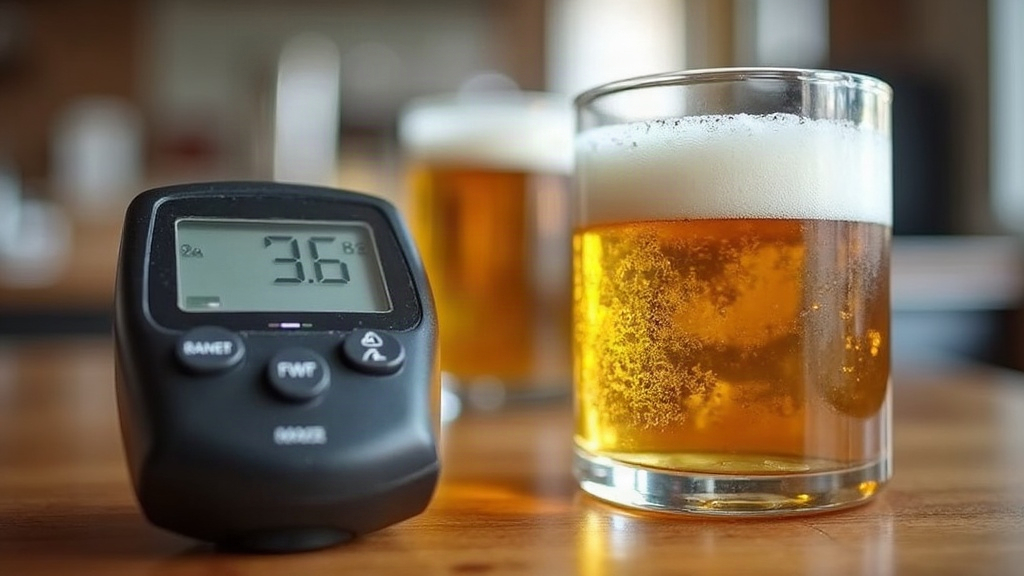
If you ferment vegetables, kefir, or sauerkraut at home, sooner or later you’ll ask yourself: do I actually need a pH meter, or will those cheap test strips do the trick? Here’s the short version: a digital pH meter gives you accuracy you can trust when safety is on the line, while test strips are a quick, cheap way to keep an eye on things during low-stakes projects. Which one you pick really comes down to what’s in the jar and how much risk you’re willing to live with.
Why pH Matters in Lacto-Fermentation
Lacto-fermentation works because Lactobacillus bacteria eat sugars and produce lactic acid, dropping the pH to a point where nasties like Clostridium botulinum, Listeria, and mold simply can’t survive. The numbers fermenters generally rely on:
- pH 4.6 or below = considered safe from botulism risk in most home ferments
- pH 3.5–4.0 = where finished sauerkraut, pickles, and kimchi usually land
- Above pH 4.6 = a risk zone, especially with low-acid vegetables like green beans or carrots
Guessing by smell or taste won’t tell you where you actually stand. Knowing your real number is what separates a fun kitchen hobby from one that’s actually safe to eat.
Test Strips: Cheap and Convenient
pH test strips, the litmus-style or wide-range kind, show up in almost every fermentation starter kit. They’re cheap and give you a color-based ballpark reading in seconds.
Pros:
- A few cents a strip, sometimes less
- No batteries, no calibration, no fuss
- Fast enough for someone just starting out
Cons:
- Accuracy tops out around ±0.5 pH units, which isn’t tight enough when you’re trying to confirm you’re under 4.6
- Reading the color is a judgment call, and it gets worse with cloudy or pigmented brines (think beet kraut, red cabbage, or kimchi loaded with gochugaru)
- Humidity and age quietly wreck strips sitting in a damp kitchen cabinet
- Getting a reading off a thick paste or solid ferment usually means diluting it first, which adds its own error
Think of strips as a rough guide while you’re fermenting, a way to check you’re heading in the right direction. They’re not the tool you want for a final safety check.
pH Meters: Precision You Can Trust
A digital pH meter measures hydrogen ion concentration directly through a glass electrode, landing you within ±0.01 to 0.1 pH units depending on how much you spend.
Pros:
- Tight enough accuracy to confirm you’re actually below 4.6, not just close
- Handles liquids, brines, and even chunky ferments if you’ve got a flat or penetration probe
- No squinting at color charts, just a number on a screen
- Many models calibrate themselves or remember your calibration points
Cons:
- Runs $15 to $60 for something decent
- Needs calibration against buffer solutions (typically pH 4 and 7) before you trust the reading
- Probes need cleaning, and they don’t last forever
- A bit more of a learning curve than tearing open a strip
If you’re canning fermented vegetables, working with low-acid stuff like green beans or carrots, or handing jars out to family and friends, a meter isn’t a luxury. It’s the tool that actually earns its keep.
Side-by-Side Comparison
| Factor | Test Strips | pH Meter |
|---|---|---|
| Accuracy | ±0.5 units | ±0.01–0.1 units |
| Cost | $3–$10 for 100 strips | $15–$60+ |
| Ease of use | Very easy | Easy after calibration |
| Best for | Casual monitoring | Safety-critical confirmation |
| Works on solids/pastes | Limited | Yes, with right probe |
| Colored brines | Unreliable | Unaffected |
Which Should You Choose?
- Just making sauerkraut or pickles for yourself, tasting along the way? Strips will get you through fine.
- Working with low-acid vegetables, gifting your ferments, or planning to water-bath can them? Spend the money on a meter. A ±0.5 margin of error is too much wiggle room when botulism is the alternative.
- Want both worlds? Use strips for the day-to-day checks, then confirm with a calibrated meter right before the jar goes into storage or gets handed off.
Tips for Accurate Readings
- Calibrate the meter with fresh buffer solution every time before you use it, not just once a month.
- Test at room temperature. A cold ferment straight from the fridge will throw the reading off.
- If you’re measuring something chunky, stir or blend a small sample first so the probe actually contacts liquid.
- Store the probe the way the manual says, usually in a storage solution, not left dry on the counter.
- Swap out test strips every 6 to 12 months, sooner if your kitchen runs humid.
Final Verdict
For a hobbyist just getting a feel for how sour things are getting, test strips do the job well enough. But once safety and consistency actually matter, particularly with low-acid vegetables or anything you plan to share or can, a digital pH meter is simply the tool that won’t let you down. It costs a little upfront, sure, but that’s a small price for the peace of mind every time you crack open a jar.