Oak Spirals vs Chips vs Cubes for Aging a Young Porter
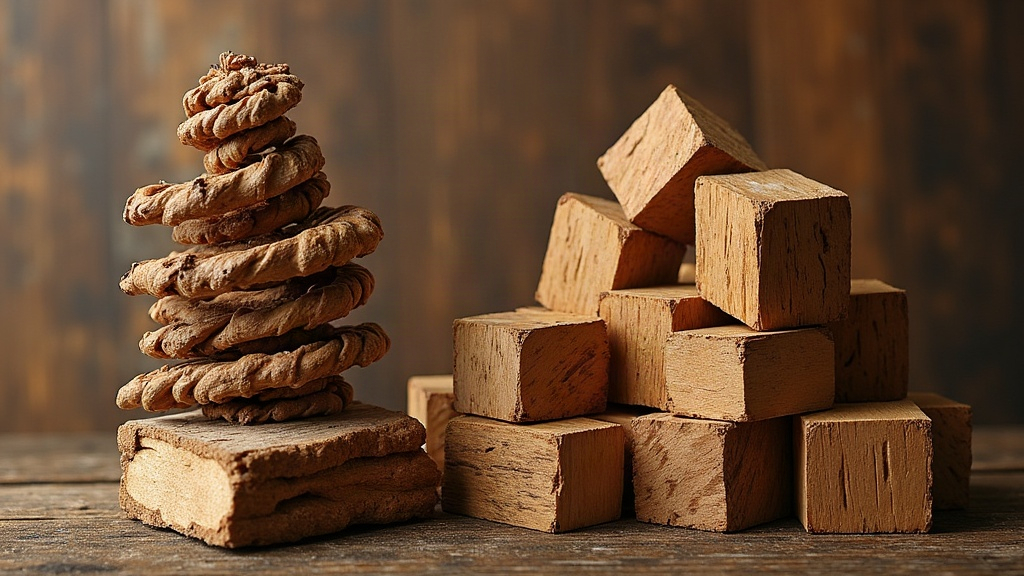
If you’re stuck choosing between oak spirals, chips, or cubes for aging a young porter, here’s the short version: chips work fastest but can turn harsh on you, cubes deliver the deepest, most barrel-like character, and spirals land right in the middle, offering a solid balance of convenience and control. Which one actually makes sense for you depends on your timeline, how aggressive you want that oak punch to be, and whether you’re going for full bourbon-barrel complexity or just a whisper of vanilla-oak in the background.
Oak aging might be the single easiest trick for turning a plain young porter into something that tastes like it spent months in a barrel, minus the cost of actually owning one. But the format you pick changes the whole game, from extraction speed to how clean (or rough) the final pint turns out.
Why Oak Matters for a Young Porter
A young porter tends to be malty, roasty, and honestly a bit flat on its own. Oak fixes that by bringing in:
- Vanillin (that sweet, dessert-like vanilla note)
- Tannins (the dry, structural backbone that reins in sweetness)
- Lactones (coconut and woody tones, especially from American oak)
- Toast/char complexity, if the oak’s been toasted or soaked in bourbon
These compounds fill in flavor gaps that fermentation alone just can’t reach, pushing your porter closer to a barrel-aged stout without the wait, the barrel, or the bill.
Oak Chips: Fast but Risky
Chips are small, irregular shards of oak, usually toasted beforehand. Of the three options, they have by far the highest surface-area-to-volume ratio.
Pros:
- Extract flavor fast. Expect noticeable oak character within 3 to 7 days
- Cheap, and you can grab them at almost any homebrew shop
- Great for quick experiments or small test batches
Cons:
- Easy to overshoot, leaving you with harsh, splintery, or astringent flavors
- Tricky to dose accurately since piece sizes vary so much
- Can bring a “green wood” bite if the toasting wasn’t done right
Best for: Brewers chasing quick results who don’t mind tasting daily to pull the chips right when things peak.
Oak Cubes: Slow and Deep
Cubes are bigger, more uniform chunks of oak. Less surface area relative to mass means a slower, steadier extraction curve.
Pros:
- Smoother, rounder oak flavor, none of the jagged edges chips can leave behind
- Gradual extraction gives you way more control and less risk of over-oaking
- Frequently sold pre-soaked in bourbon, rum, or wine, which fits a porter beautifully
- Can sometimes be rinsed and reused for a second batch
Cons:
- Takes 2 to 6 weeks (sometimes longer) to hit full flavor
- You need patience, and a plan made weeks in advance
Best for: Brewers aging a porter for something special, particularly if a bourbon-barrel profile is the goal.
Oak Spirals: The Middle Ground
Spirals are long, twisted ribbons of oak, typically toasted on every side. Surface area-wise, they land squarely between chips and cubes.
Pros:
- Moderate extraction speed, usually 1 to 3 weeks
- Easy to keep an eye on and pull early if flavor develops quicker than expected
- Good contact surface without the guesswork that comes with loose chips
- Commonly sold pre-toasted at light, medium, or heavy levels, so you can dial in the profile
Cons:
- A bit more expensive per use than chips
- Harder to find bourbon-soaked versions compared to cubes
Best for: Brewers who want oak character that’s predictable and tunable, without waiting weeks for it.
Dosage Guidelines for a 5-Gallon Porter
- Chips: 0.5 to 1 oz, start checking daily after day 3
- Spirals: 1 to 2 spirals, check weekly
- Cubes: 1 to 2 oz, check every 1 to 2 weeks
One habit worth building: always sanitize your oak in vodka or another neutral spirit before pitching it in. Boiling might feel safer, but it strips out the exact flavor compounds you’re after.
Toast Level Matters as Much as Format
No matter which format you pick, toast level is just as decisive:
- Light toast: More raw tannin, less vanilla
- Medium toast: A balanced mix of vanilla and spice, probably the sweet spot for most porters
- Heavy toast/charred: Smoky, bourbon-like edge, works especially well with higher-ABV porters
Which Should You Choose?
- Want something drinkable within a week? Go with spirals.
- Need results fast and don’t mind babysitting the batch daily? Go with chips.
- Got a month to spare and want the richest, most barrel-authentic result? Go with cubes.
Final Verdict
For most homebrewers working with a young porter, oak spirals hit the sweet spot. Fast enough that you won’t lose patience, controlled enough that you won’t end up with something tasting like a chewed-up pencil. That said, if you’re after a true bourbon-barrel stout vibe and you’ve got the time, bourbon-soaked oak cubes will give you the most convincing, layered result on the market. Chips still earn their place, but only when time’s tight and you’re willing to taste-test daily to catch the peak before it tips over into harshness.
Whatever you land on, start with less oak than you think you’ll need. You can always add more later, but once your porter tastes like a chewed-up fence post, there’s no taking it back.