Making a Shelf-Stable Jun Kombucha from Foraged Fir Tips
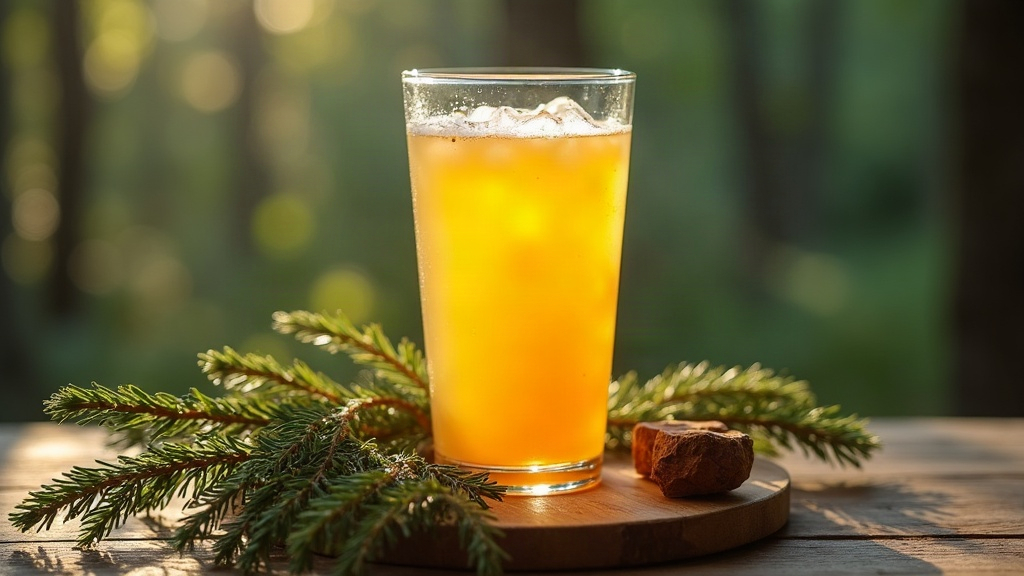
Making a Shelf-Stable Jun Kombucha from Foraged Fir Tips
Jun kombucha is kombucha’s lighter, honey-sweetened cousin. It’s traditionally fermented from green tea and raw honey instead of black tea and cane sugar, and that swap makes a real difference in the glass. Infuse it with foraged fir tips (the soft, bright-green new growth at the ends of fir branches every spring) and you end up with something that tastes like a sparkling citrus-forest tonic: crisp, lemony, faintly resinous. This guide covers brewing that jun at home—similar to brewing with foraged ingredients—and, just as important, making it shelf-stable so a batch lasts months instead of days.
What Are Fir Tips and Why Brew With Them?
Fir tips are the tender, pale-green shoots that fir trees push out each spring. Unlike the mature needles, they’re soft enough to bite through, edible, and loaded with vitamin C and aromatic essential oils.
- Flavor: Bright citrus notes (people often compare them to grapefruit or lemon peel) with a subtle pine-resin finish.
- Season: Forage in late spring, while the tips are still soft and pale, before they toughen up and go dark green.
- Safety: Know your tree with certainty before you pick anything. True firs (Abies species) have flat, friendly needles with white stripes underneath, nothing like yew, which is toxic. If you’re not 100% sure, walk away.
A small handful goes further than you’d think. The oils are potent, and overdoing it turns your brew into something closer to air freshener than a drink.
Jun vs. Kombucha: Why the Base Matters
Jun ferments faster and cleaner than classic kombucha, mostly because honey and green tea are easier for the culture to digest.
| Element | Jun | Classic Kombucha |
|---|---|---|
| Sweetener | Raw honey | Cane sugar |
| Tea | Green tea | Black tea |
| Ferment time | 5–10 days | 7–14 days |
| Flavor | Light, floral, tart | Bold, vinegary |
That lighter profile is exactly why the fir tips work here. Their citrus character actually shows through instead of getting buried under vinegar and tannins.
Step-by-Step: Brewing Fir Tip Jun
Ingredients (for 1 gallon / ~3.8 L)
- 1 gallon filtered or spring water (no chlorine)
- 4–6 green tea bags or 2 tbsp loose green tea
- 1 cup raw honey
- 1 cup strong, mature jun or kombucha starter liquid
- 1 jun SCOBY (symbiotic culture of bacteria and yeast)
- ½ cup lightly packed, rinsed fresh fir tips
Instructions
- Brew the tea. Steep the green tea in just-boiled water for 5 minutes, then pull the leaves out. Leave it any longer and the base turns bitter.
- Sweeten and cool. Stir in the honey while the tea’s still warm, so it actually dissolves, then let it cool all the way to room temperature. Hot liquid will kill your SCOBY, no exceptions.
- Add the fir tips. Drop them straight into the brew, or into a sanitized mesh bag if you want easy removal later. Either way, they’ll infuse right through fermentation.
- Combine and cover. Pour the sweet tea into a glass jar, add the starter liquid and SCOBY, then cover with a breathable cloth held on with a rubber band.
- Ferment. Keep it at 70–80°F (21–27°C) for 5–10 days, away from direct sun. Start tasting daily from day 4. You’re looking for pleasantly tart, not syrupy sweet.
- Strain and bottle. Pull out the fir tips and SCOBY (save the SCOBY plus a cup of liquid for your next round), then funnel the jun into clean bottles.
Making It Shelf-Stable: The Part Most Recipes Skip
Here’s the thing nobody warns you about: a live, sweet jun keeps fermenting right there in the bottle. Pressure builds, and eventually it turns to vinegar whether you wanted that or not. Real shelf stability means stopping fermentation on purpose, so the jun can sit at room temperature for months without exploding on your counter or souring into something undrinkable. Below are the realistic options, from easiest to most reliable.
Option 1: Cold Storage (Extends Life, Not True Shelf-Stable)
Refrigerating jun at 38°F (3°C) slows the culture way down, but it doesn’t stop it completely. Think 2 to 4 extra weeks, not months. It’s a stopgap, not a solution.
Option 2: Ferment to Dryness + Bottle-Carbonate
Let the jun ferment until almost all the sugar is gone, it should taste tart with no real sweetness left. Then bottle it with a measured priming dose, roughly 1 teaspoon of honey per 16 oz bottle, and leave it at room temperature for 2 to 4 days to carbonate before moving it to the fridge. Low residual sugar means less risk of a runaway bottle, but this still isn’t shelf-stable sitting on a countertop long-term.
Option 3: Pasteurization (True Room-Temperature Shelf Stability)
If you actually want jun that sits on a shelf for months, pasteurize it after bottling:
- Bottle with a small sweetening dose, just enough that the final drink isn’t bone dry.
- Cap tightly, using pressure-rated bottles only.
- Heat in a water bath to 140°F (60°C) for 10 minutes, or up to 160°F (71°C) for a shorter burst. This kills the live culture and stops fermentation cold.
- Cool it down gradually, then store somewhere cool and dark.
You lose the probiotics this way, that’s the trade-off, but the flavor holds and the jun becomes genuinely shelf-stable for 6 to 12 months. Want live cultures? Drink it fresh. Want it to last through winter without refrigeration? Pasteurize.
Safety First
- Test the pH. Aim below 4.2, ideally somewhere in the 3.0–3.5 range. That acidity is your real defense against harmful microbes, not wishful thinking.
- Use strong bottles. Swing-top or beer bottles rated for carbonation. Regular glass jars can and will shatter under pressure.
- Burp or cold-crash when unsure. If you’re not confident about how much pressure has built up, refrigerate the bottles first to slow things down before you crack one open.
Flavor Variations and Foraging Tips
- Fir tip + lemon verbena: Doubles down on the citrus and takes the edge off the resin.
- Fir tip + juniper berries: Pushes the forest character further, a natural pairing that works surprisingly well with jun’s lightness.
- Forage responsibly: Take no more than 10–20% of the tips from any one branch cluster, and never strip a young tree bare. It needs those tips to grow.
Conclusion
Brewing jun kombucha from foraged fir tips turns an ordinary spring walk into something you genuinely can’t buy off a shelf: a sparkling, citrus-resinous drink with a forest running through it. The brew itself isn’t complicated, just green tea, raw honey, a healthy SCOBY, and a modest handful of tender fir tips. The real skill shows up at the finish line: fermenting to dryness, carbonating with a light hand, pasteurizing when you want jars in the pantry instead of the fridge. Nail the pH, use bottles that can actually take the pressure, and you’ll end up with a wild jun that still tastes like the forest months after foraging season has come and gone.