Brewing a Gose with Wild-Harvested Sea Purslane Instead of Salt
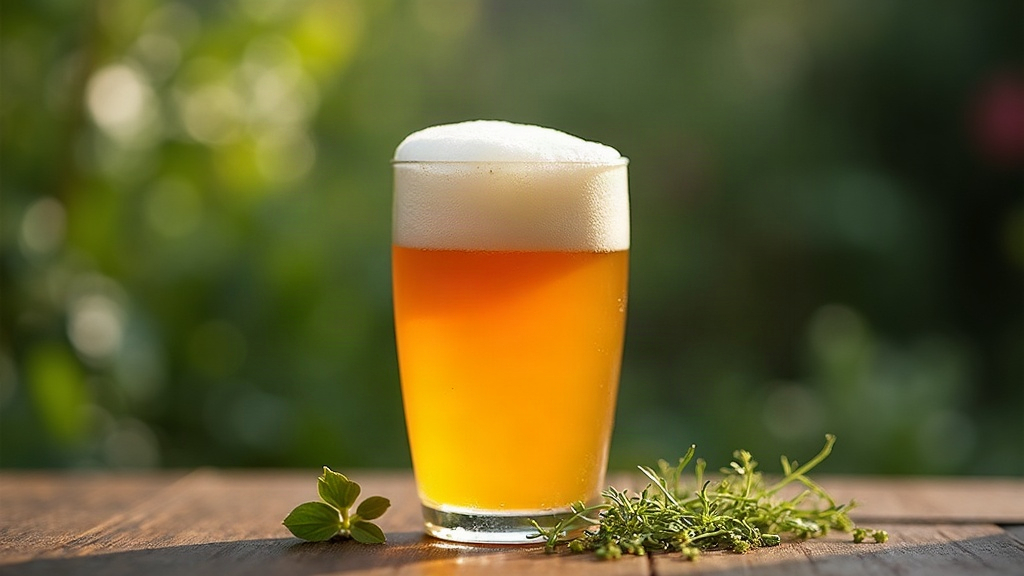
Why Swap Salt for Sea Purslane in a Gose?
A traditional Leipzig gose gets its signature brine from a modest addition of table or sea salt, usually 1 to 2 grams per liter. That salinity is what gives the style its bright, quenching, faintly mineral edge. Salt, though, is a one-trick pony. Sea purslane, the coastal succulent Halimione portulacoides (often mixed up with Sesuvium portulacastrum), brings the same salty punch but layers in something salt alone can’t: a vegetal, umami, slightly iodine-like character reminiscent of foraged fir tips in kombucha.
Swap wild-harvested sea purslane in for salt and suddenly a classic recipe feels local, seasonal, tied to a specific patch of coastline. You still get that quenching salinity a gose needs, but underneath it sits a subtle herbaceous-green note that plays wonderfully off the beer’s lactic tang and coriander spice.
Is Sea Purslane Safe to Use in Beer?
Yes, but only if you follow two non-negotiable rules:
- Get the ID right. Halimione portulacoides has fleshy, silver-green, arrow-shaped leaves growing along trailing stems, with tiny green flowers tucked in. It favors salt marshes and the upper edges of shorelines. Not 100% sure what you’re looking at? Leave it alone. There’s no shortage of mimics out there, and this isn’t the plant to guess on.
- Pick clean ground. Forage well above the high-tide line, and stay clear of sewage outfalls, marinas, and anywhere runoff from farmland might collect. These plants are essentially sponges for whatever’s dissolved in the water around them, so where you cut them matters as much as what you cut.
The salinity is exactly why the plant works: its tissues hold onto sodium and other minerals pulled straight from seawater. Toss it into the kettle or fermenter and that salt content, along with calcium, magnesium, and potassium, transfers right into the beer.
When to Add Sea Purslane: Kettle vs. Whirlpool
Timing shifts what you actually get out of the plant:
- Last 5 minutes of the boil. This sanitizes the leaves, pulls out the salinity and minerals, and leaves behind just a restrained hint of green. It’s the safest route to a clean, classic gose profile.
- Whirlpool at 75 to 80°C (167 to 176°F) for 15 minutes. Holds onto more of that fresh, herbal aroma. You get a soft vegetal lift without dragging in bitterness.
- Dry-hopping style, in secondary. A cold-side addition gives you the most aroma of the three methods, but it’s a gamble: wild microbes can hitch a ride, and the beer can turn cloudy or muddled. Only go this route if you’ve blanched and dried the leaves beforehand.
For most home and pro brewers alike, a short addition right at the end of the boil is the safest bet and the one you can repeat batch after batch.
Dialing In the Right Amount
The most common mistake? Treating sea purslane like a garnish, a pinch here and there. Its salinity per gram is weaker than pure salt, so you need a lot more plant material to hit the same brine level, and that means the vegetal flavor scales up right alongside it. Start here, then adjust by taste:
- Begin with 40 to 60 grams of fresh leaves per 5-gallon (19 L) batch, tossed in at the end of the boil.
- That range usually lands you around 0.8 to 1.5 g/L of effective salinity, close to what a classic gose delivers.
- If the beer finishes too mild after fermentation, brew up a small, measured “tea” from blanched purslane and dose it in a few grams at a time during packaging.
- Always taste against something you know. The target is briny, like a gentle sea breeze, not brackish, swampy, or reminiscent of pond water.
A Working Base Recipe
Here’s a 5-gallon (19 L) all-grain starting point you can tweak from:
- Malt: 50% pilsner, 45% wheat malt, 5% acidulated malt
- Mash: 66°C (151°F) for 60 minutes; target an OG around 1.048
- Hops: a light bittering addition of a noble variety, just enough for around 8 IBU (keep it low, since the salt and sourness carry the flavor)
- Kettle addition: 50 g fresh sea purslane, rinsed and roughly chopped, added at 5 minutes
- Spice: 10 g lightly crushed coriander seed, also at 5 minutes
- Souring: kettle-sour using Lactobacillus plantarum down to a pH of 3.3 to 3.6, then finish the boil as normal, or alternatively pitch a clean sour culture after primary fermentation
- Yeast: a neutral ale strain or German ale yeast works well; ferment around 18 to 20°C (64 to 68°F)
- Finish: carbonate to 2.6 to 2.8 volumes. That extra fizz really wakes up the salt and sour notes
Troubleshooting Common Problems
- Too salty, tastes brackish. Either too much purslane went in, or it boiled too long. Cut it with a fresh, unsalted batch or blend the two, and dial the dose back next round.
- Grassy or overly vegetal. You likely added too much, or left it in the boil too long. Next time, shorten the contact time and keep the addition closer to flame-out.
- Salinity seems to vanish. Residual sweetness can mask salt early on. Give the beer time to fully attenuate and carbonate before making a judgment call, since bubbles actually sharpen how salty something tastes on the tongue.
- Aroma comes out muddy. This points to a cold-side addition using unblanched leaves. Stick to blanching first, or keep the purslane strictly in the kettle.
Conclusion
Brewing a gose with wild-harvested sea purslane in place of salt is one of those small swaps that pays off way beyond the effort it takes. You get the quenching brine a gose is built on, plus a fresh, mineral, faintly savory depth that no bag of sea salt could ever fake. Forage with care, dose conservatively, add it near the end of the boil, and what comes out the other side is a briny, lactic, herb-tinged beer that genuinely tastes like nowhere else.