Troubleshooting a Raw Apple Cider Vinegar Mother That Won't Form
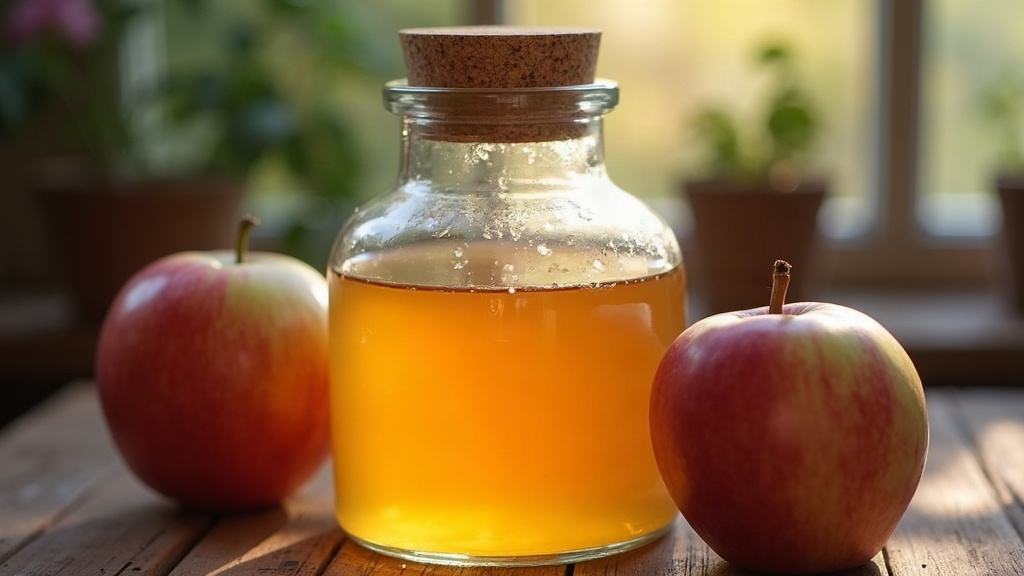
If your homemade apple cider vinegar hasn’t grown a visible mother after weeks of waiting, don’t assume the batch is dead. Nine times out of ten, it comes down to one of five things: not enough airflow, the jar sitting somewhere too cold, no starter culture in the mix, a sugar ratio that’s off, or you just haven’t given it enough time. The good news? Almost every “failed” batch can be coaxed back to life, much like rescuing a stuck fermentation. Starting from scratch is rarely necessary.
What the Mother Actually Is (and Why It Sometimes Doesn’t Show)
The mother is a cellulose biofilm that acetic acid bacteria, mostly Acetobacter species, build up as they convert alcohol into acetic acid. Think of it as a visual side effect, not proof that anything is working correctly. Plenty of batches turn nicely sour and acidic without ever forming a thick, obvious mat, especially in low-sugar ferments or in jars kept unusually clean and filtered. So don’t judge the whole batch on looks. Smell and taste tell you far more than what you see floating on top.
That said, if three or four weeks have passed with no film, no cloudiness, and not even a whiff of vinegar, something in your setup needs fixing.
Most Common Reasons the Mother Won’t Form
1. Not Enough Airflow
Acetic acid bacteria need oxygen, full stop. They’re aerobic organisms, and a jar sealed tight or wrapped in plastic with no room to breathe will stall out fast.
Fix: Cover the jar with a coffee filter, cheesecloth, or even a paper towel held on with a rubber band. Skip the airtight lid entirely at this stage.
2. Too Cold an Environment
Acetobacter does its best work between 60-80°F (15-27°C). Drop below 60°F and things slow to a crawl, or stop altogether.
Fix: Find a warmer spot for the jar, on top of the fridge, near (not touching) a radiator, or on a seedling heat mat set to low. A steady 70°F beats a swing between 55°F and 85°F every time.
3. No Starter Culture Added
Here’s something people underestimate: wild acetic bacteria just aren’t as abundant in a modern, scrubbed-clean kitchen as folklore suggests. If you tossed in fruit scraps, sugar, and water with nothing else, no raw store-bought ACV with a visible mother, fermentation can crawl along for months or never really take off.
Fix: Stir in 2-4 tablespoons of unfiltered, unpasteurized ACV (check the label for “with the mother”) per quart of liquid. This single step can cut your wait time dramatically.
4. Sugar Ratio Is Off
Too little sugar and there’s not enough alcohol produced in that first fermentation phase. Too much, and you throw off the balance between yeast and bacteria.
Fix: A good rule of thumb is 1 tablespoon of sugar per cup of water when working from scraps. Or skip the sugar stage altogether by starting with hard cider or wine, since the alcohol’s already there.
5. It’s Simply Too Early
Under good conditions, a mother usually starts forming somewhere between weeks 2 and 4. In a cooler kitchen, or with a weak starter, it can take 6 to 8 weeks. Sometimes the honest answer is just: wait longer.
How to Test If Fermentation Is Actually Happening
- Smell test: Catch a faint boozy or vinegary edge in the air? That means the yeast and bacteria are already active, mother or no mother.
- Bubbles: A light fizz during the first week or two is a good sign of healthy alcohol fermentation.
- pH strips: Watch for a drop toward pH 3-4. That’s acid being produced, visible film or not.
When to Restart the Batch
If you’ve hit the 6-8 week mark with zero change in smell, no bubbles ever, and the liquid still looks and smells like sugar water, it’s time to start over. This time:
- Use fresh, unpasteurized starter vinegar
- Pick a warmer spot
- Cover with breathable cloth, not plastic
- Give it an occasional stir to bring oxygen back into the mix
Quick Fixes Checklist
- Swap plastic wrap for cloth or a coffee filter
- Relocate the jar somewhere warmer (65-80°F)
- Add raw ACV with mother as your starter
- Double-check the sugar ratio (1 tbsp per cup of water)
- Give it at least 6 weeks before calling it a failure
- Trust smell and pH readings over how it looks
Conclusion
No mother doesn’t automatically mean a dead batch. Most of the time it just means the bacteria need more oxygen, more warmth, or a stronger starter to get moving. Fix the airflow, warm things up, boost the starter, then be patient. If the smell and acidity are coming along fine, the mother often shows up later than you’d expect, or your vinegar might turn out perfectly good without one at all.