Why Your Tepache Tastes Too Yeasty (And How to Fix It)
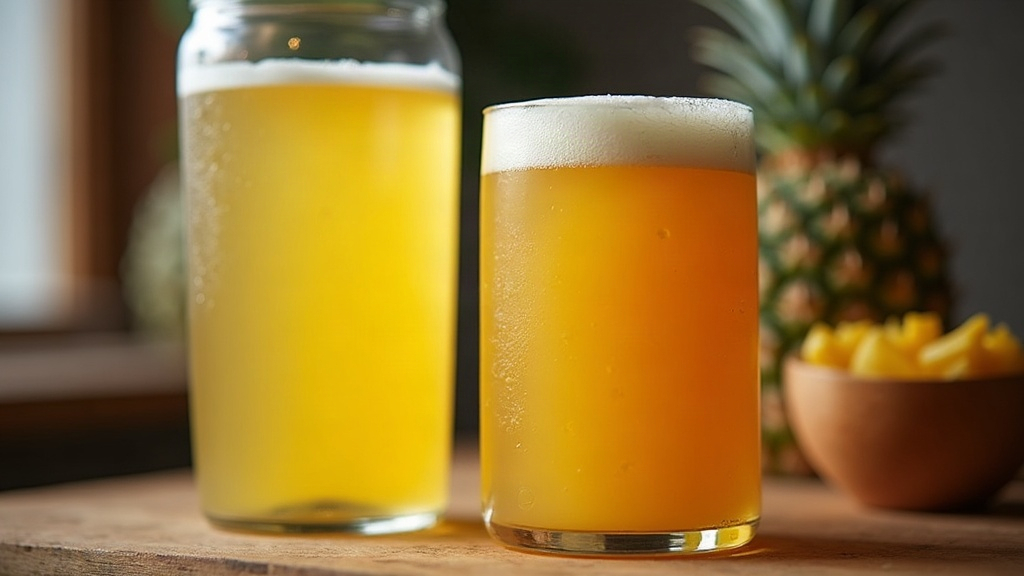
If your tepache tastes more like flat beer or raw bread dough than the bright, fizzy, fruity drink you were hoping for, you’re definitely not the only one. A yeasty, boozy, overly “funky” batch almost always comes down to one culprit: wild yeast on the pineapple skin outpacing the bacteria that’s supposed to keep it in check—similar to fermentation balance issues that affect other live-culture drinks. The fix is really just a matter of dialing in time, temperature, sugar ratio, and how much skin you toss into the jar.
Why Tepache Turns Yeasty in the First Place
Tepache ferments wild, meaning it relies on whatever microbes happen to live on your pineapple’s skin and float around your kitchen air. Two groups are doing most of the heavy lifting:
- Wild yeasts, which eat sugar and pump out alcohol and CO2, giving you those bready, boozy, “yeasty” notes.
- Lactic acid bacteria (plus some acetic bacteria), which create a mild tang and fruity brightness that’s supposed to balance out the yeast’s funk.
When the conditions tip too far in yeast’s favor, you end up with something that smells like beer, tastes sharp with alcohol, and carries an overwhelming “rising dough” aroma instead of that tropical sweetness tepache is supposed to have.
Common Causes of Overly Yeasty Tepache
1. Fermenting Too Long
Yeast populations explode after the first 24 to 48 hours. Leave your tepache sitting for three days or more at warm room temperature and yeast will usually take over the bacterial cultures, especially in kitchens running above 75°F (24°C).
2. Too Much Pineapple Skin and Core
The skin is where the wild yeast concentration is highest. Toss in an entire pineapple’s worth of skin and core for a small batch, and you’ve overloaded the ferment with yeast relative to the sugar and juice available.
3. Not Enough Sugar (Piloncillo or Brown Sugar)
Sugar does more than sweeten. It’s food for the bacteria that keep yeast from running the show. Skimp on it, and you tilt the balance toward yeast, simply because the bacteria don’t have enough substrate to compete.
4. Fermenting Too Warm
Push past 80°F (27°C) and yeast activity speeds up far faster than bacterial fermentation does. More alcohol, more CO2, less time. That’s basically the recipe for a beer-like flavor you didn’t ask for.
5. Reusing an Aggressive “Starter” Batch
Been saving backslop (leftover liquid) from a previous batch to kickstart the next one? If that liquid was already yeast-heavy, you’re just compounding the imbalance with every new round.
How to Rebalance Pineapple Skin Funk
Shorten the Ferment Time
For most home setups, 24 to 48 hours in warm weather is the sweet spot (18 to 36 hours if you’re somewhere really hot). Start tasting every 12 hours after day one. The moment it turns fizzy and pleasantly tangy, pull it, before it slides into sharp or boozy territory.
Use Less Skin, More Flesh
A ratio around 1 cup of skin/core scraps to 6 to 8 cups of water works better than using the whole peel. Some brewers skip the thick outer rind entirely and get great results using just the core plus a modest bit of skin.
Increase Sugar Slightly
Standard piloncillo tepache recipes call for about 1 cup of piloncillo (or dark brown sugar) per 8 cups of water. If your batches keep turning yeasty fast, bump that up 10 to 20% so the bacteria have more fuel to hold their ground.
Ferment Cooler
Aim for 70 to 75°F (21 to 24°C) instead of leaving the jar on a hot counter or near a vent. Even a few degrees cooler slows yeast growth more than it slows the bacteria, which tips the balance back in your favor.
Add a Splash of Something Acidic
A little fresh pineapple juice, a pinch of cinnamon, or even a spoonful of unpasteurized apple cider vinegar at the start can nudge things toward a lactic/acetic balance instead of a yeast-forward one.
Refrigerate Promptly Once It Tastes Right
Cold doesn’t stop fermentation, but it slows it way down. Bottle and refrigerate the moment the flavor hits its peak and you lock in that balance before yeast has a chance to take over.
Quick Troubleshooting Checklist
- Tastes like beer or bread? Shorten the fermentation time.
- Very fizzy, harsh, alcoholic? Cut back on skin and ferment somewhere cooler.
- Flat and overly sweet? Let it go a bit longer, and check the room isn’t too cold.
- Smells like nail polish (that acetone-like note)? It’s probably gone too long or gotten too warm. Toss it and restart with a shorter window.
Final Thoughts
A yeasty batch of tepache isn’t a failure, it’s a signal. It means your fermentation environment tipped too far toward wild yeast, and now you know exactly which knob to turn. Shorten the fermentation window, moderate how much pineapple skin goes in, adjust your sugar, and keep the temperature steady, and you’ll start getting that classic bright, tangy, lightly fizzy pineapple drink instead of something that tastes like it belongs in a growler. Think of each batch as a small experiment. A tweak here, a tweak there, and you’ll notice the difference within just a try or two.