Ginger Bug Stopped Carbonating After 3 Weeks? Here's Why & Fix
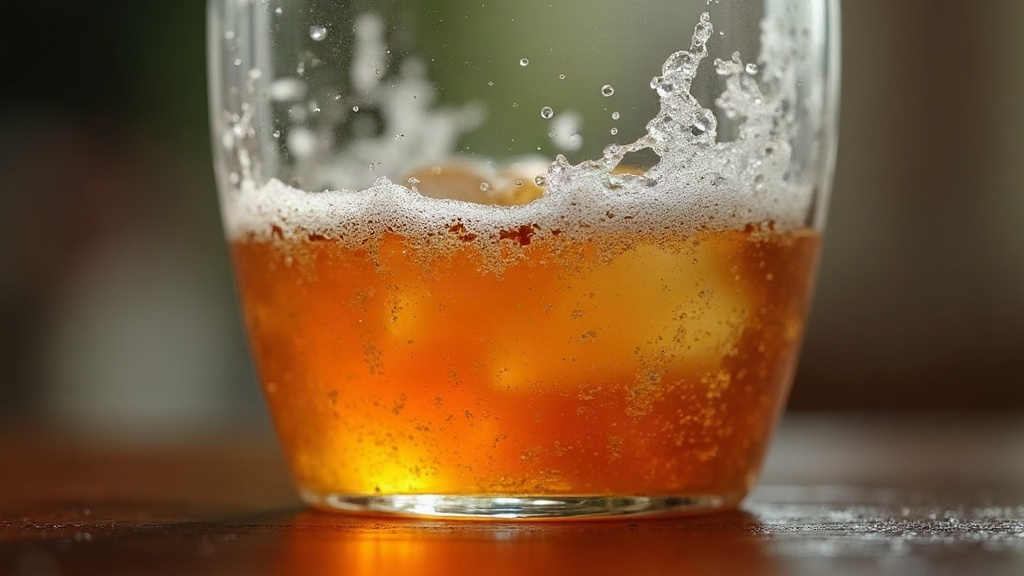
If your ginger bug was fizzing like crazy for the first couple of weeks and then just… stopped around day 21, you’re not looking at a dead culture. What you’ve got is a classic case of yeast exhaustion paired with bacterial imbalance. The fix usually takes 24-48 hours, so don’t panic and dump the jar yet.
Why This Happens Specifically Around Week Three
A ginger bug is a living ecosystem, really a tiny battle between wild yeast and lactic acid bacteria. During the first two weeks you’re riding on a young, energetic culture with plenty of stored fuel from fresh ginger and sugar. Then week three hits, and several things tend to go sideways at once:
1. Nutrient Depletion
Every time you feed the bug the same ratio of ginger and sugar, you’re not actually restocking the micronutrients (minerals, trace enzymes) that the yeast originally pulled from that first batch of fresh ginger. Store-bought ginger loses potency fast. If you’ve been dipping into the same knob of ginger for three weeks straight, your culture is basically running on fumes at this point.
2. Bacterial Overgrowth Outcompeting Yeast
Lactic acid bacteria multiply faster than wild yeast in most kitchens, especially once the room warms up even slightly (3-4°F can tip the balance). Give it three weeks and the bacteria often take over the jar, dragging the pH down to a level where yeast activity slows way down. You’ll smell it before you see it: the bug turns sourer, loses that sweet-yeasty aroma.
3. Sugar Starvation Between Feedings
Once a feeding routine starts to feel “established,” it’s tempting to stretch the intervals. But that shrinks the yeast population. A starved colony wakes up slowly and struggles to produce CO2 at the bottling stage, even if the jar still looks lively on the surface.
4. Second Fermentation Timing Drift
Sometimes the bug itself is actually fine. The real culprit is the bottling liquid, maybe your soda base isn’t getting enough residual sugar, or the bottles have landed in a cooler spot than before. Fall and early winter temperature dips are a sneaky, often-overlooked cause here.
How to Tell Which Problem You Have
- Bug smells sour or vinegary instead of yeasty-sweet → bacterial dominance
- Barely any bubbling in the jar within 8 hours of feeding → yeast population has crashed
- Bug bubbles just fine, but bottled soda stays flat → bottling process or temperature issue
- Thin, grayish liquid with no fizz residue clinging to the sides → severe nutrient depletion
How to Revive a Sluggish Ginger Bug
- Pour out half the liquid, then feed with 1 tablespoon of freshly grated organic ginger (leave the skin on, that’s where most of the wild yeast lives), 1 tablespoon of sugar, and ¼ cup filtered water.
- Feed daily for 3-4 days instead of every other day. Small, frequent feedings crowd out the bacteria and rebuild the yeast population faster than one big feeding ever could.
- Move the jar somewhere warmer, ideally 70-75°F. A spot near (not directly on) the stove, or on top of the fridge, tends to work well.
- Switch to filtered or dechlorinated water. Chlorinated tap water drags out recovery time, especially when the culture is already weak.
- Watch for bubbling within 4-6 hours of a feeding. That’s your green light, a sign the yeast has bounced back.
Fixing the Bottling Stage
Even a fully healthy bug needs the right conditions during second fermentation:
- Bottle at room temperature (68-75°F), not in a cold pantry or a drafty garage.
- Use swing-top bottles or squeezable PET bottles so you can test pressure by feel. Tightly sealed glass builds pressure faster than loosely capped bottles.
- Bump up the sugar in your flavoring syrup for the first batch after a revival, try 1.5x your usual amount.
- Check pressure daily. Most bottles carbonate within 24-72 hours once the bug is active again.
Preventing This From Happening Again
- Stick to a strict feeding schedule. Never let more than 48 hours pass without sugar.
- Swap the ginger out entirely every 2-3 weeks rather than just adding more. Old pieces lose their potency fast.
- Keep a short log of feeding dates and jar temperature. Sounds tedious, but it turns the next troubleshooting session into a five-minute job instead of a guessing game.
- Keep a backup “insurance” jar split off from a healthy bug. That way you’ve always got a spare culture waiting in the wings.
Conclusion
A ginger bug that quits carbonating after three weeks isn’t dead, it’s almost always starved, outcompeted by bacteria, or just sitting somewhere too cold. Fresh ginger, a few days of daily feedings, and a warmer spot will usually bring it roaring back within 48 hours. Once it’s revived, tighten up your feeding schedule and refresh the ginger regularly so you don’t end up back in the same slump next month.