Why Homemade Sauerkraut Turns Soft and How to Keep It Crunchy
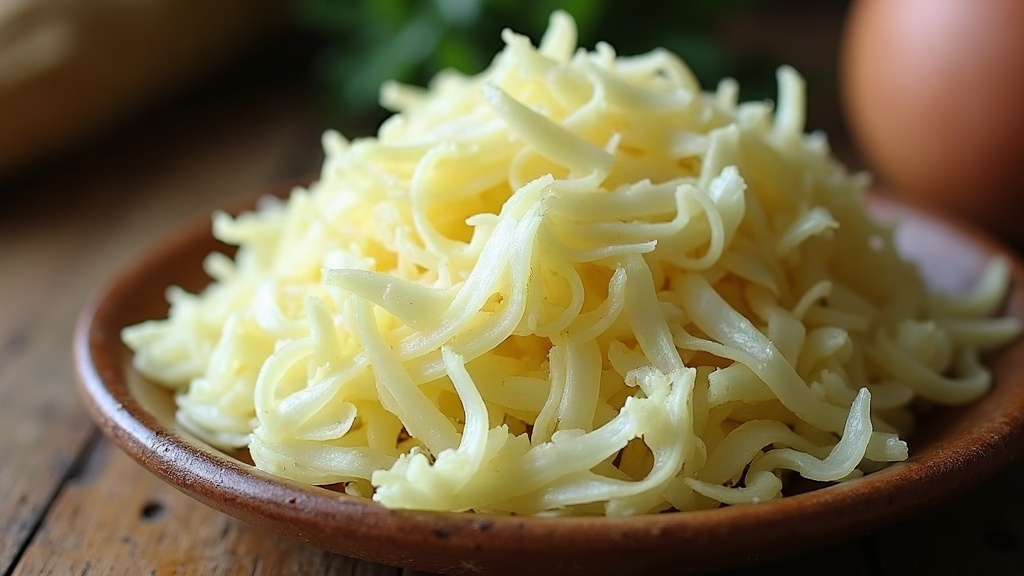
If your homemade sauerkraut turns soft and mushy instead of staying crisp, the culprit is almost always warm fermentation temperatures teaming up with too little salt, mediocre cabbage, or a bit of oxygen sneaking in. In warm weather, fermentation speeds up fast, and that speed is exactly what wrecks the texture. The good news? A few tweaks to your salt ratio, temperature control, and technique will get you back to crunchy, tangy kraut every single time.
Why Warm Weather Makes Sauerkraut Go Soft
Fermentation is basically a race between the good lactic acid bacteria and the pectin-degrading enzymes that live naturally in cabbage. Cooler temperatures slow both processes down at roughly the same rate, so flavor develops while the cell walls stay intact. Heat, though, accelerates enzymatic breakdown much faster than it speeds up flavor development. Result: the cabbage goes soft before it even tastes properly fermented.
The Main Causes of Mushy Sauerkraut
- Fermenting above 75°F (24°C): Bacterial activity gets erratic, and pectinase enzymes chew through cell walls quickly.
- Not enough salt: Salt firms up cabbage by pulling out water and holding back softening bacteria and molds. Going under 2% salt by weight is a rookie mistake, and a common one.
- Poor quality or old cabbage: Cabbage that’s sat around too long, or loose-leafed, watery varieties, ferments softer than a dense, fresh head.
- Oxygen exposure: Any kraut poking above the brine line invites yeast and mold that break down texture and turn things slimy.
- Fermenting too long in heat: Even a properly salted batch can overshoot in just 3-4 days during a heat wave, compared to 2-3 weeks in cooler months.
- Chopping too finely: Very thin shreds lose their structural integrity faster, especially once things heat up.
How to Keep Sauerkraut Crunchy in Summer
1. Use the Right Salt Ratio
Aim for 2-2.5% salt by weight of your cabbage (roughly 1.5-2 tablespoons of salt per 2 lbs/1 kg of cabbage). That range firms up texture while still letting fermentation run safely and actively. Weigh your cabbage after trimming, not before, or the math will be off.
2. Ferment Somewhere Cooler
- Target 60-68°F (15-20°C) if you can. A basement, a cool pantry, or an interior closet all work well.
- A wine fridge or a spare mini-fridge fitted with a temperature controller set to ferment-friendly temps does the job nicely.
- Skip the countertop near a window, stove, or anywhere the summer sun hits directly.
3. Shorten the Fermentation Time
In warm conditions, start checking your kraut daily from day 2 onward. Taste it. Once it hits the tang you’re after, refrigerate right away to stop further softening. Don’t blindly follow some fixed “3 weeks” rule, let the temperature (and your taste buds) set the schedule.
4. Keep Cabbage Fully Submerged
- Use a fermentation weight, or a clean, brine-filled bag on top, to keep the shreds under the liquid.
- Top up with a 2% brine (2 tbsp salt per quart of water) if the natural liquid doesn’t cover everything.
- Burp airlock lids or check jars daily to release built-up pressure, but don’t let the surface dry out while you’re at it.
5. Choose Firm, Fresh Cabbage
Go for dense, heavy heads with tightly packed leaves. Green cabbage generally holds its crunch better than early-season or loose-leaf types. And skip anything that’s been sitting in the fridge for weeks before you even start.
6. Cut Slightly Thicker Shreds
Aim for shreds around 1/8 inch (3mm) thick rather than paper-thin. More cabbage mass means more structure to resist breaking down when fermentation speeds up in the heat.
7. Add a Tannin Source
Toss in a small handful of grape leaves, oak leaves, or even a bit of black tea. The tannins help preserve crispness naturally, a trick borrowed straight from pickle-making.
What to Do If It’s Already Soft
Once the cabbage has broken down structurally, there’s no reversing it. That said:
- If it’s only slightly soft but still tastes good and smells fine, put it to work in cooked dishes: sauerkraut soup, braised kraut with sausage, or a reuben, where texture matters a lot less.
- If it smells off, feels slimy, or has fuzzy mold (not just the harmless white kahm yeast), toss the batch.
- For next time, move your kraut to the fridge as soon as it hits your preferred tang, before it has a chance to keep softening.
Conclusion
Soft, mushy sauerkraut in warm weather almost always traces back to temperature and salt ratio slipping out of balance. Ferment cooler, salt precisely at 2-2.5%, keep the cabbage fully submerged, and taste often enough to catch the right moment. Do that, and you’ll have crisp, tangy homemade sauerkraut even in the middle of a heat wave.