Why Pickled Eggs Turn Rubbery with Gray-Green Yolks (And the Fix)
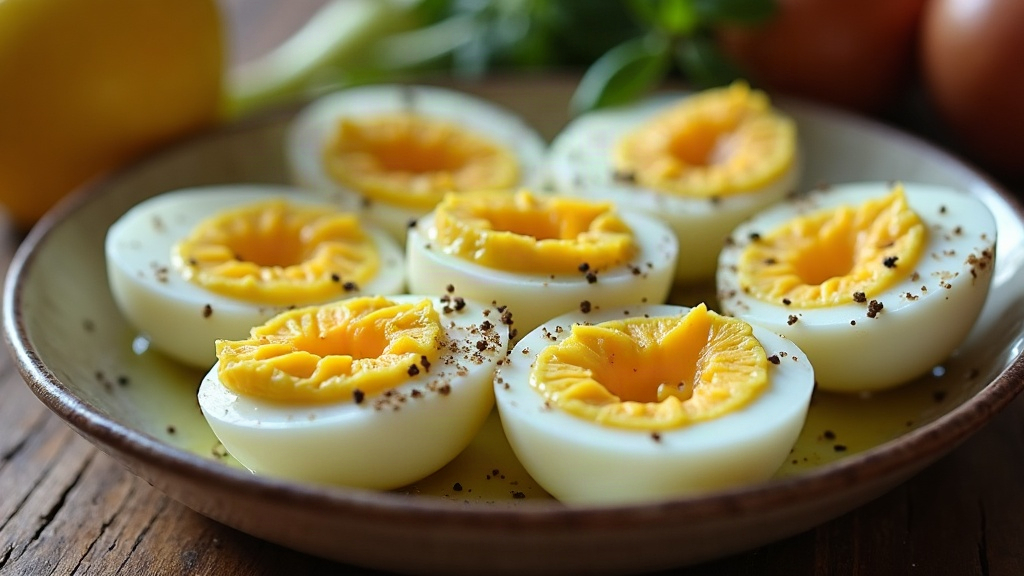
If your pickled eggs turned out rubbery and squeaky, with a dull gray-green ring circling the yolk, the usual suspect is overcooking paired with a natural sulfur-iron reaction. The good news? Both are fixable once you know what’s actually going on inside that shell.
Why This Happens: The Science Behind Rubbery Whites and Gray-Green Yolks
Overcooking Denatures the Proteins
Egg whites are basically water and protein (albumin). Boil them too long, or at too high a heat, and those proteins tighten up and wring out moisture, leaving you with a dense, bouncy texture that squeaks against your teeth. Pickling makes it worse, not better. The vinegar brine keeps firming up the proteins over time, so an egg that was only slightly overcooked to begin with can turn noticeably tougher a week later sitting in the jar.
The Gray-Green Ring Is a Chemical Reaction, Not Spoilage
That greenish-gray halo hugging the yolk has a name: ferrous sulfide. Here’s the chain of events:
- Egg whites carry sulfur compounds.
- Egg yolks carry iron.
- Cook the egg too long, or cool it too slowly, and heat drives hydrogen sulfide gas out of the white and toward the yolk.
- That sulfur meets the iron in the yolk and you get a visible gray-green film.
It’s totally safe to eat. But it’s a tell: the egg sat on heat too long and didn’t cool fast enough, which happens to be the exact combo that causes rubbery texture too.
Older Eggs Make It Worse
Fresh eggs have whites that lean slightly acidic, which resists sulfide formation. As eggs sit in the fridge, the pH climbs and the whites turn more alkaline, speeding up that sulfur-iron reaction. Grab a carton that’s been sitting for three weeks or more and you’ll see the green ring show up more often, even if your cooking technique is solid.
How to Fix Eggs You’ve Already Pickled
Here’s the blunt truth: once an egg is overcooked and dropped into brine, you can’t undo the rubbery texture. The protein structure has already set and there’s no walking it back. That said:
- The gray-green yolk is cosmetic only, nothing dangerous about it.
- If the texture bugs you, slice the eggs thin, chop them into egg salad, or turn them into deviled eggs, where nobody’s judging bite texture anyway.
- For your next batch, trim the brining time a touch. A too-long soak in strong vinegar toughens whites further, on top of whatever overcooking already did.
How to Prevent Rubbery, Gray-Green Pickled Eggs Next Time
1. Use the Right Boil Time
- Bring the eggs to a boil, then pull the pot off the heat immediately and cover it.
- Let large eggs sit in that hot water for 10 to 11 minutes (9 for medium eggs, 12 for jumbo).
- Skip the rolling boil for the full cook time. That’s the single biggest cause of rubbery whites.
2. Shock Them in Ice Water Immediately
- Move the eggs straight into an ice bath and leave them there for at least 5 to 10 minutes.
- Fast cooling cuts off the residual heat that would otherwise push sulfur toward the yolk, which is exactly what keeps that green ring from forming.
3. Peel and Pickle Promptly
- Don’t let peeled eggs sit around at room temperature for hours before they hit the brine.
- Get the brine and eggs into the fridge together as soon as you can.
4. Use Fresher Eggs When Possible
- Eggs that are 1 to 2 weeks old peel nearly as easily as older ones, but they’re much less prone to that sulfide reaction.
- Need easy-peel eggs but only have older ones on hand? Add a teaspoon of baking soda to the boiling water. It balances the pH without pushing you into overcooking territory.
5. Watch Your Brine Time and Vinegar Strength
- A high-acid brine (50% vinegar or more) keeps tightening proteins for weeks in the fridge, so don’t expect the texture to hold steady.
- If rubbery eggs keep happening, back off to a milder 60/40 vinegar-to-water ratio, bump up the sugar or spices, and eat the eggs within 2 to 3 weeks rather than letting the jar sit in the back of the fridge for months.
Quick Troubleshooting Checklist
- Rubbery whites → shorten the cook time, skip the rolling boil
- Gray-green yolk → cool faster in ice water, use fresher eggs
- Both at once → you likely overcooked and under-cooled; fix both steps, not just one
- Egg smells sulfurous or off → toss it. That’s a different problem from the harmless green ring, and it’s not worth the risk
Rubbery pickled eggs with gray-green yolks don’t mean anything’s gone bad. They’re just the predictable result of overcooking and slow cooling, and the vinegar brine only makes the effect more obvious. Get the boil time right, shock the eggs in ice water right away, and reach for eggs that aren’t sitting at the back of the fridge from a month ago. Do that and you’ll end up with tender whites and bright yellow yolks every single time you pickle a new batch.